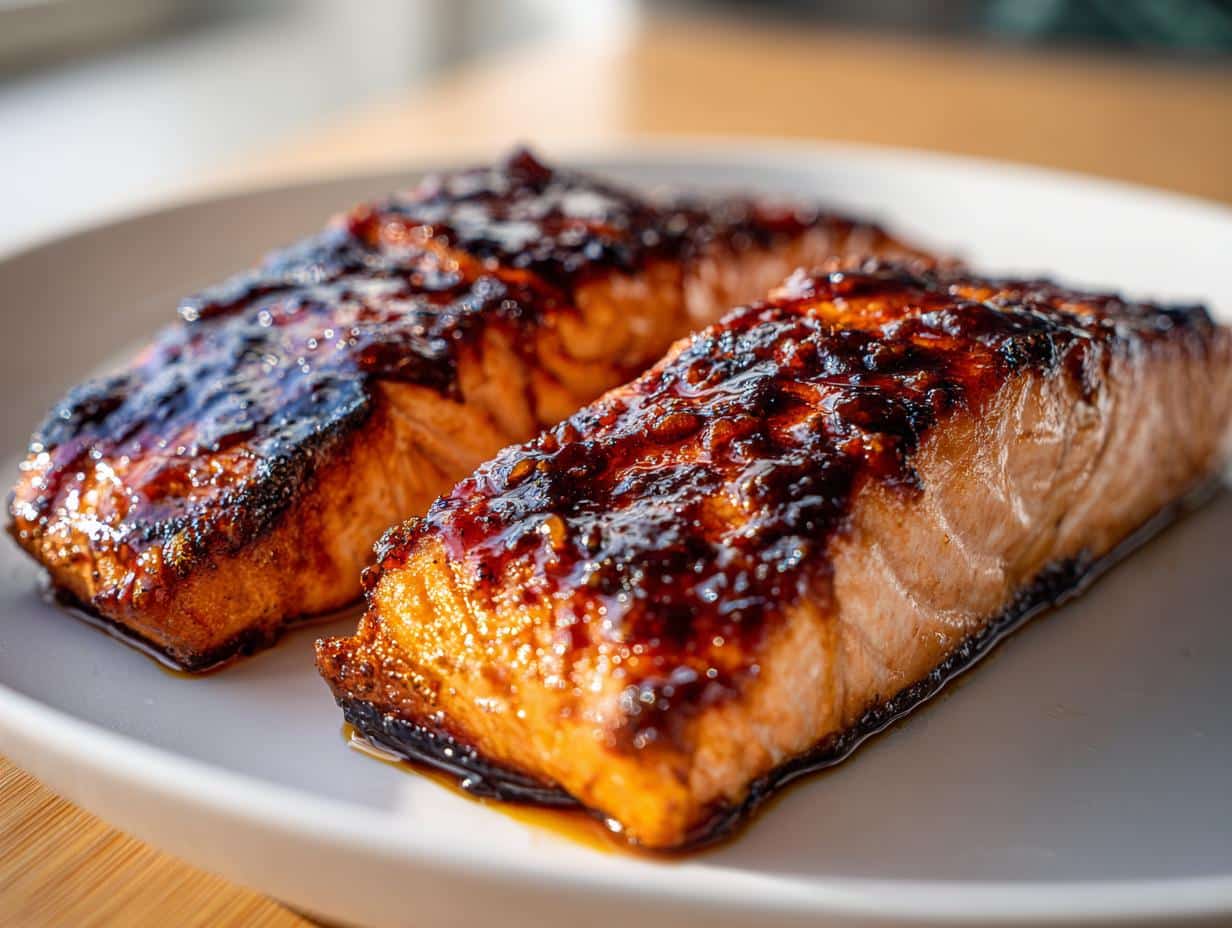
Teriyaki Salmon: Your Ultimate Guide to an Irresistible Meal
There's a reason teriyaki salmon has captured the hearts and palates of home cooks everywhere: it’s the perfect harmony of sweet, savory, and umami, wrapped around tender, flaky fish. Whether you’re a seasoned chef or just starting your culinary journey, this dish promises a delightful experience that’s surprisingly easy to achieve. From its simple preparation to its versatile glaze, teriyaki salmon is more than just a meal; it's a guaranteed crowd-pleaser that can transform an ordinary weeknight into a gourmet experience. Loved by families and even the most discerning eaters, its appeal lies in its straightforward ingredients and delicious results. And the best part? The signature teriyaki glaze isn't just for salmon – it's a secret weapon for elevating a variety of meats!
The Allure of Teriyaki Salmon: A Weeknight Dinner Hero
Imagine a dish that’s both quick to prepare and incredibly flavorful, making it an ideal choice for busy evenings. That's precisely what you get with teriyaki salmon. It consistently ranks as a favorite, not just for its ease but for its universal appeal. The rich, glossy glaze permeates the delicate salmon, creating a taste sensation that’s hard to resist. This dish moves beyond being just another dinner option; it becomes a cherished staple, ensuring satisfaction for everyone at the table. Its swift cooking time, often under 30 minutes, means less time in the kitchen and more time enjoying a delicious, wholesome meal.
Crafting the Perfect Teriyaki Glaze: Ingredients and Flavor Dynamics
The magic of teriyaki salmon truly begins with its phenomenal glaze. This sweet and savory concoction is what gives the dish its signature irresistible flavor. While many store-bought options exist, creating your own homemade teriyaki marinade is incredibly simple and allows you to control the quality and balance of flavors. Here’s a breakdown of the essential components:
- Soy Sauce: The backbone of any teriyaki sauce, providing deep umami and savory notes. For those monitoring sodium intake, a low-sodium soy sauce works beautifully without sacrificing flavor.
- Brown Sugar: This is where the "sweet" in sweet and savory comes from. Brown sugar adds a rich, molasses-like sweetness that caramelizes beautifully when cooked, forming that desirable sticky glaze. Alternatives like honey or maple syrup can also be used for a slightly different sweet profile, offering natural alternatives.
- Lemon Juice: A splash of fresh lemon juice is crucial for brightness. It cuts through the richness of the salmon and the sweetness of the sugar, adding a zesty tang that elevates the entire flavor profile. Don't skip this; it's a key balancing act!
- Sesame Oil: Just a touch of toasted sesame oil imparts a distinct, nutty aroma and flavor that is quintessential to Asian-inspired dishes. It adds depth and warmth to the marinade, creating that unmistakable teriyaki essence.
- Aromatic Spices:
- Ground Ginger: Offers a warm, pungent, and slightly spicy kick, essential for that authentic teriyaki taste.
- Garlic Powder: Provides a foundational savory aroma that complements almost any dish, enhancing the overall umami.
- Ground Mustard: A subtle addition that adds a delicate tang and rounds out the savory elements, providing an unexpected layer of complexity.
- Sesame Seeds: While optional in the marinade itself, a tablespoon of sesame seeds mixed in adds a mild, nutty crunch and visual appeal. They're also fantastic sprinkled on top as a garnish just before serving.
For an even thicker, glossier glaze, consider adding a teaspoon of cornstarch mixed with a tablespoon of cold water (a slurry) during the last few minutes of simmering the sauce. This creates a luxurious texture that clings perfectly to the salmon. Some chefs also like to incorporate a dash of mirin (sweet rice wine) or sake for an extra layer of authentic Japanese flavor, adding more depth to your teriyaki glaze.
Beyond Salmon: The Versatility of Your Homemade Teriyaki Glaze
One of the most valuable aspects of mastering this homemade teriyaki glaze is its incredible versatility. While it’s famously delicious with teriyaki salmon, its sweet-savory profile is equally fantastic with a variety of other proteins. Don't limit yourself! Make an extra batch of the glaze and keep it on hand for these culinary adventures:
- Chicken: Whether it’s chicken breasts, thighs, or wings, marinating and then grilling, baking, or pan-searing them with teriyaki sauce creates an instant family favorite. The glaze caramelizes beautifully on poultry, locking in moisture and flavor.
- Pork: Pork tenderloin, chops, or even thinly sliced pork belly benefit immensely from the rich flavors of teriyaki, especially when grilled or roasted. The glaze forms a delicious crust.
- Shrimp: Quick-cooking shrimp tossed in this glaze makes for a fantastic stir-fry component, speedy appetizer, or a succulent addition to a rice bowl. Cook shrimp quickly to avoid overcooking.
- Tofu or Tempeh: For plant-based meals, teriyaki glaze can transform plain tofu or tempeh into a flavorful main course. Press tofu well before marinating for best results.
- Vegetables: Even roasted or stir-fried vegetables like broccoli, bell peppers, or mushrooms can get a delicious boost with a drizzle of this versatile sauce, making them more appealing to even picky eaters.
The key is to marinate your chosen protein for at least 30 minutes, or even several hours for deeper flavor, before cooking. Then, brush additional glaze during the cooking process to build up that beautiful, caramelized finish.
Cooking Methods for Flawless Teriyaki Salmon
Achieving perfectly cooked, juicy, and flaky teriyaki salmon is simpler than you might think, regardless of your preferred cooking method. The goal is always a tender interior with a beautifully glazed exterior. Here are some popular and effective ways to cook your teriyaki salmon:
1. Broiling for a Quick Char
Broiling in the oven is one of the fastest ways to get a lovely char and tender interior, simulating grill-like results. Preheat your broiler and place salmon fillets, skin-side down (if present), on a foil-lined baking sheet for easy cleanup. Brush generously with the teriyaki glaze. Broil for 8-12 minutes, depending on thickness, until the salmon is cooked through and the glaze is caramelized and bubbly. Keep a close eye on it, as broilers can vary in intensity and salmon can go from perfect to overcooked quickly.
2. Grilling for Smoky Flavor
For an outdoor feast, grilling adds a wonderful smoky dimension to your teriyaki salmon. Preheat your grill to medium-high heat. Lightly oil the grates to prevent sticking. Place the salmon fillets directly on the grill, flesh side down first for nice grill marks. Cook for 4-6 minutes per side, brushing with extra glaze during the last few minutes of cooking. The salmon should flake easily with a fork when done, indicating perfect doneness.
3. Pan-Searing for a Crispy Skin (or Glaze)
Pan-searing is fantastic for achieving a crispy exterior and a succulent interior, especially if you have skin-on salmon. Heat a tablespoon of oil (like avocado or grapeseed, for high smoke point) in an oven-safe skillet over medium-high heat. Place salmon fillets, skin-side down, in the hot pan. Sear for 4-5 minutes until the skin is crispy, then flip. Brush with teriyaki glaze and cook for another 3-5 minutes, or transfer to a preheated oven (around 375°F/190°C) to finish cooking for thicker fillets, brushing with more glaze periodically. This method creates a beautiful, rich crust.
4. Baking for Even Cooking
Baking is a hands-off and reliable method, perfect for meal prepping multiple fillets. Preheat your oven to 400°F (200°C). Place salmon fillets on a parchment-lined baking sheet. Brush generously with teriyaki glaze. Bake for 12-18 minutes, or until the internal temperature reaches 145°F (63°C) and the salmon flakes easily. For an extra golden finish and caramelized glaze, you can briefly broil for the last minute or two.
Pairing Perfection: What to Serve with Teriyaki Salmon
Teriyaki salmon is a star on its own, but it truly shines when paired with complementary sides that balance its rich flavor. Here are some ideas to complete your meal, ensuring a well-rounded and delightful dining experience:
- Rice: A classic and essential pairing. Steamed white or brown rice is perfect for soaking up any extra glaze. For an extra flavor boost, try a homemade teriyaki fried rice, incorporating vegetables and a hint of the glaze – a complete meal in itself.
- Steamed or Roasted Vegetables: Broccoli, asparagus, green beans, bok choy, or snap peas are excellent choices. Their freshness and slight crunch provide a lovely contrast to the tender salmon. A light drizzle of sesame oil and a sprinkle of sesame seeds can tie them into the meal's theme beautifully.
- Noodle Dishes: Simple stir-fried noodles or a cold sesame noodle salad can also make a fantastic accompaniment, offering a different texture and mouthfeel that complements the salmon.
- Light Salad: A simple green salad with a ginger-sesame dressing provides a refreshing element, cutting through the richness of the salmon and cleansing the palate.
Smart Storage & Reheating for Leftover Teriyaki Salmon
One of the great benefits of making teriyaki salmon is that it often tastes just as good, if not better, the next day. Proper storage is key to enjoying your leftovers safely and deliciously, making it an excellent option for meal prepping.
Storing Leftovers:
- Refrigerator: Transfer any leftover teriyaki salmon to a shallow, airtight container as soon as it has cooled down to room temperature (within two hours of cooking). It will keep wonderfully in the refrigerator for up to 3-4 days. This makes it perfect for quick, healthy lunches throughout the week!
- Freezer: For longer storage, you can freeze cooked teriyaki salmon. Wrap individual portions tightly in plastic wrap to prevent freezer burn, then place them in a freezer-safe bag or airtight container. It can be safely frozen for up to three months. Thaw overnight in the refrigerator before reheating for best results.
Reheating Tips for Optimal Flavor:
Reheating salmon can sometimes dry it out, but with a few tricks, you can maintain its succulence and enjoy it nearly as fresh as the first time:
- Oven: This is often the best method for retaining moisture and preventing drying. Preheat your oven to a low temperature, around 275-300°F (135-150°C). Place the salmon in an oven-safe dish with a splash of water or broth, cover loosely with foil, and heat for 10-15 minutes, or until warmed through.
- Stovetop: Gently reheat in a non-stick skillet over low heat with a lid. A tiny bit of water or additional glaze can help create steam and keep it moist without overcooking the exterior.
- Microwave: While convenient, the microwave can sometimes dry out fish and alter its texture. If using, heat in short 30-second bursts at a lower power setting, checking frequently, and consider adding a small dish of water in the microwave to help create a humid environment and preserve moisture.
Conclusion
Teriyaki salmon truly stands out as a culinary powerhouse: simple to prepare, incredibly flavorful, and versatile enough to please everyone at your table. With its perfect balance of sweet and savory notes, enhanced by a homemade glaze that’s equally adept at transforming chicken, pork, or shrimp, it's a recipe you'll return to again and again. Whether you choose to broil, grill, pan-sear, or bake, you're just minutes away from a healthy, delicious meal. Embrace the ease and flavor of teriyaki salmon and watch it become an indispensable part of your dinner rotation!
